
The History of JAMP
2016
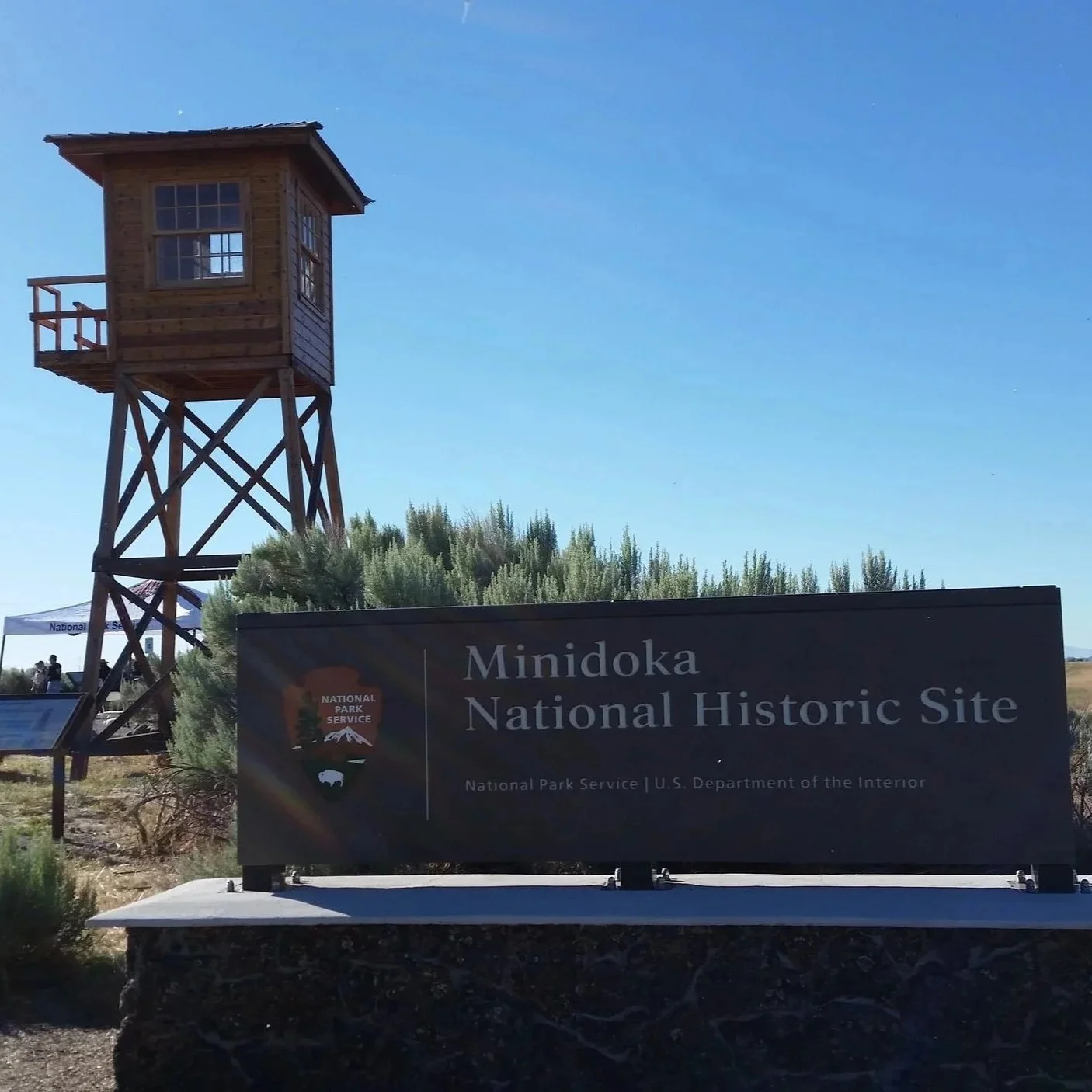
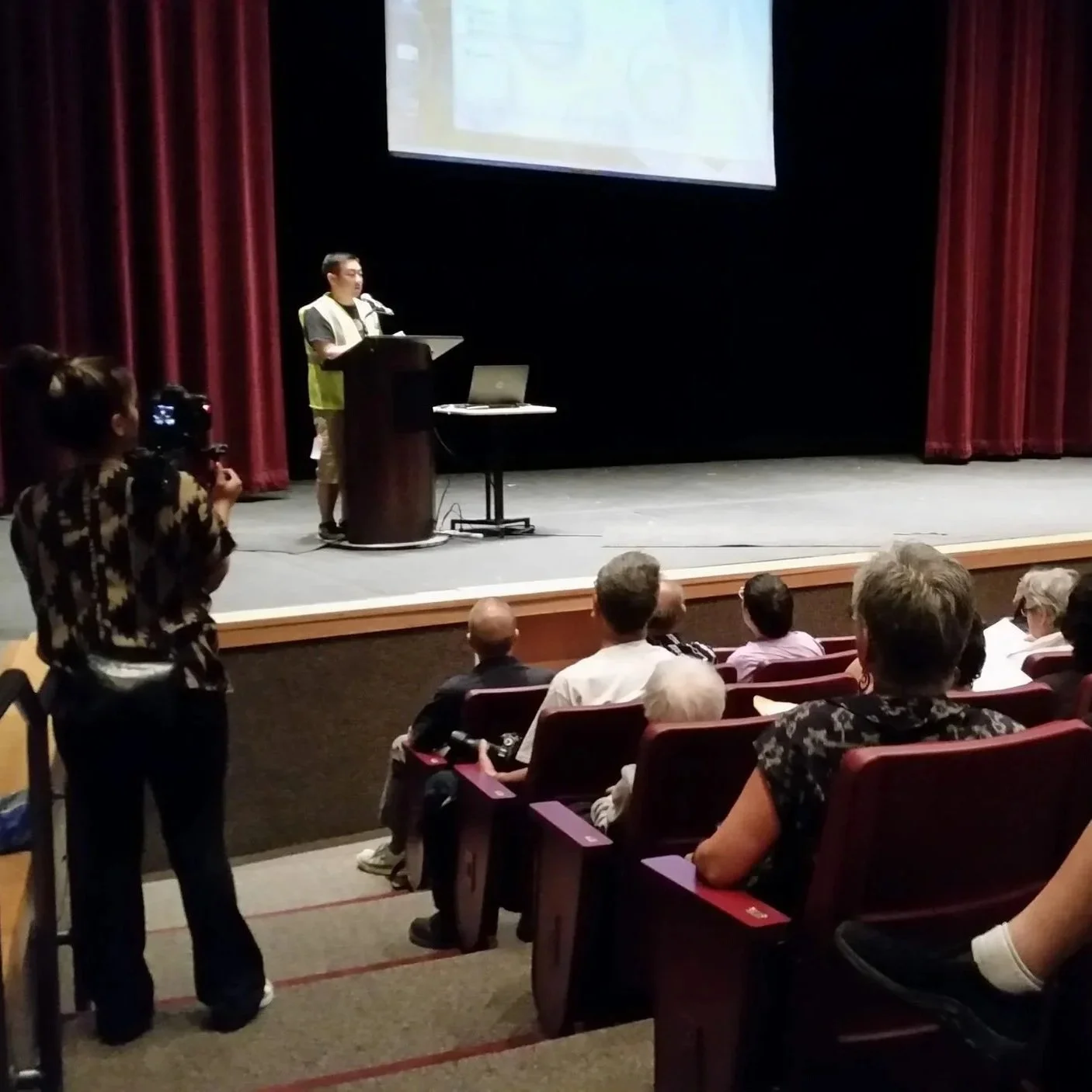
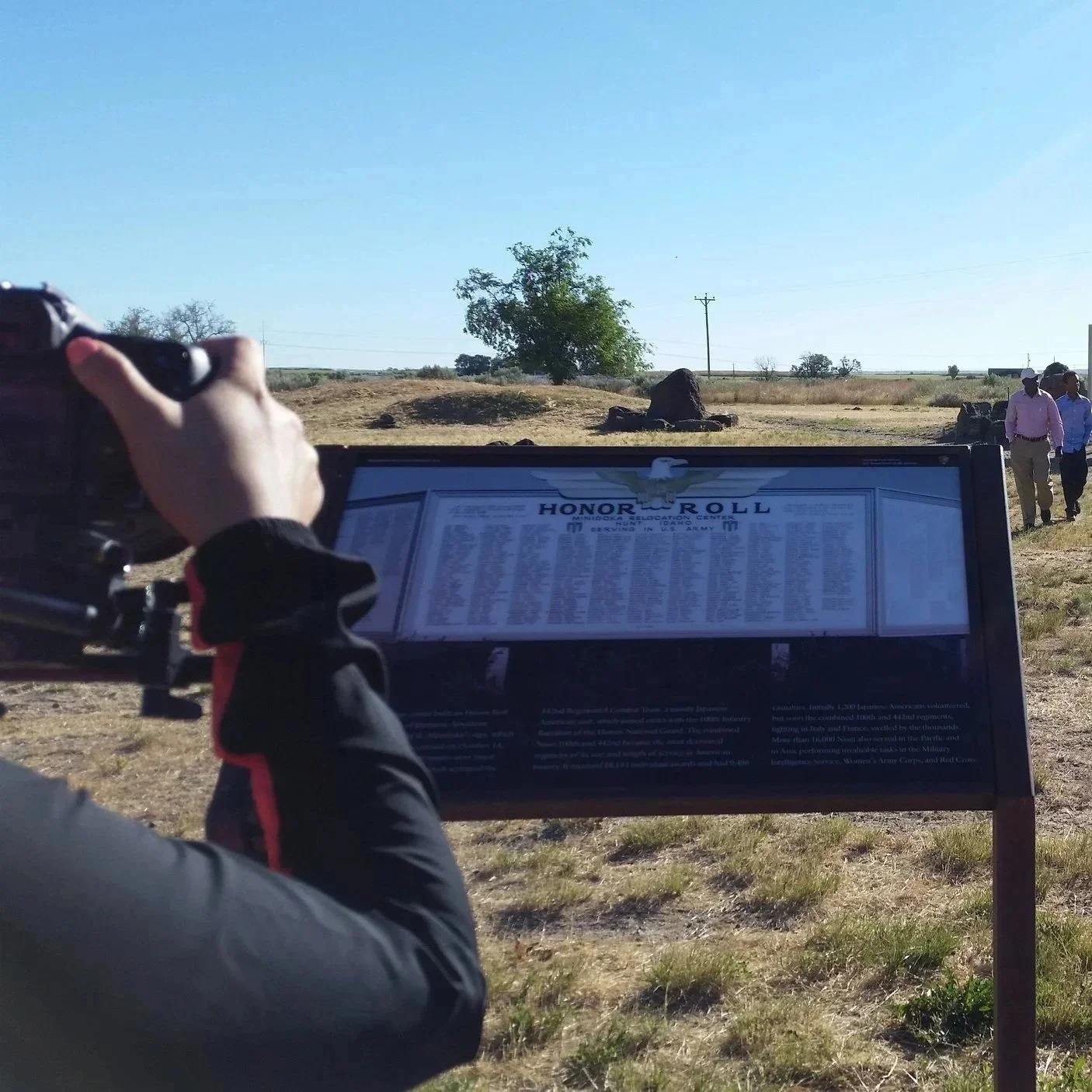
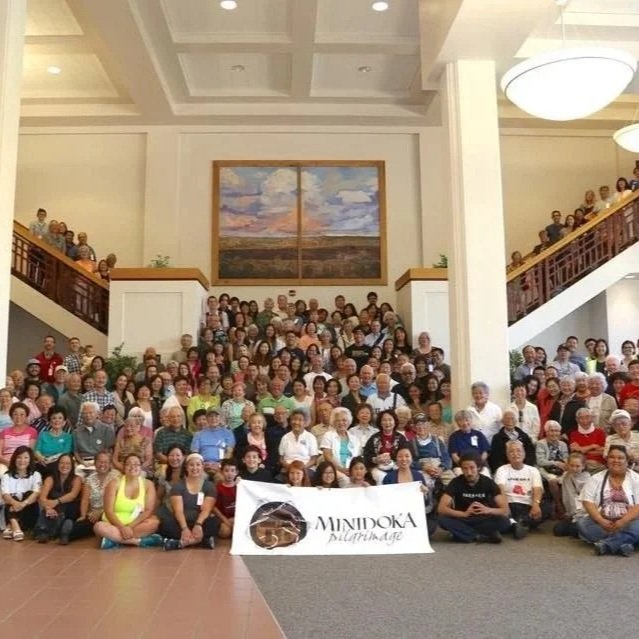
Kimiko and Marissa met for the first time at a pilgrimage to Minidoka in 2016 and became fast friends. The two bonded over their shared love for filmmaking, a mutual passion for storytelling, reverence for elders’ perspectives, and the meaningful friendships they developed along the way. Together they uncovered a hidden history that would alter the way they viewed themselves, their family histories, and the country they called home. This experience opened their eyes to an opportunity to plan their own pilgrimages and use their filmmaking expertise to preserve the legacy they had inherited.
2017
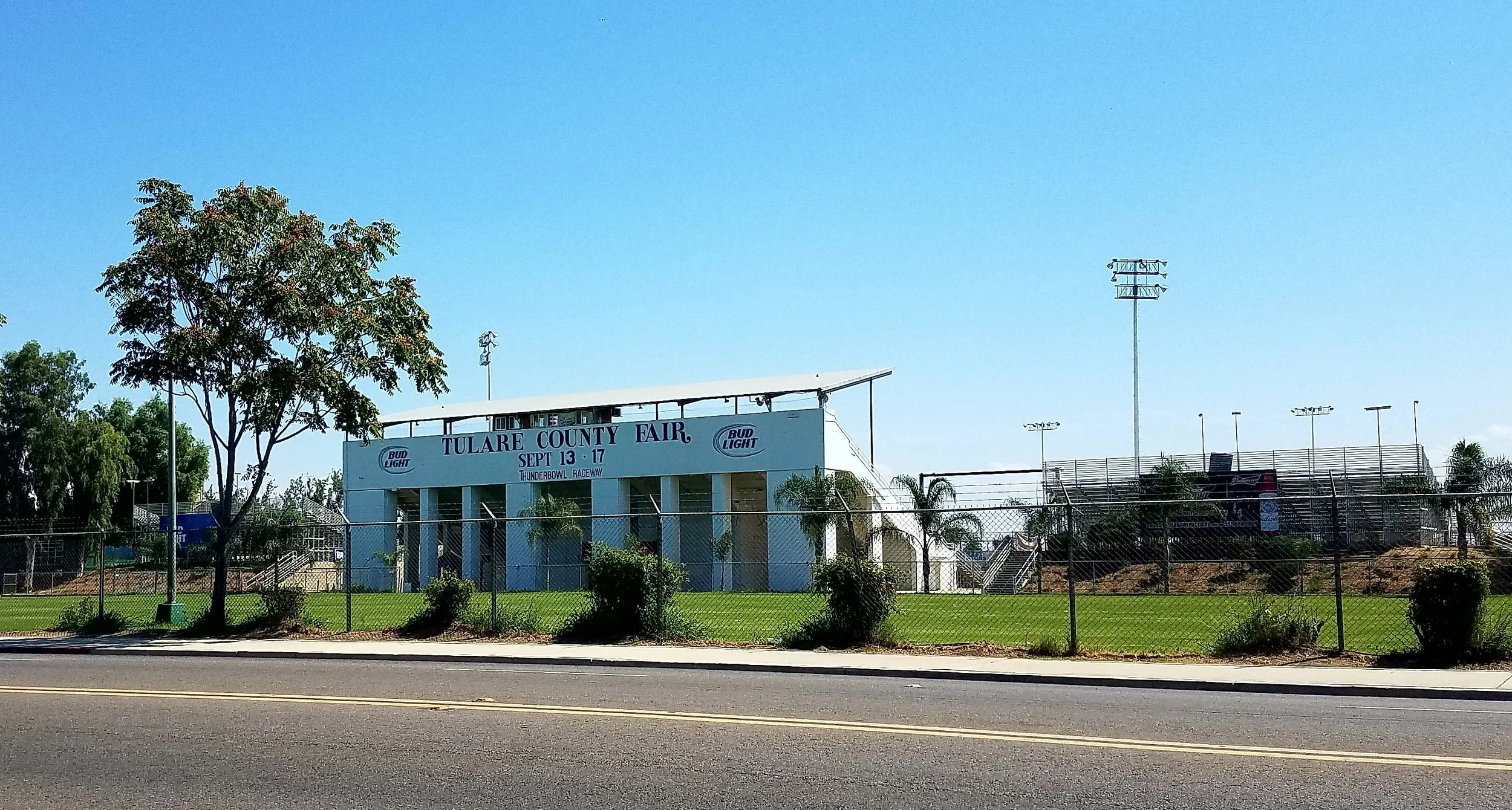
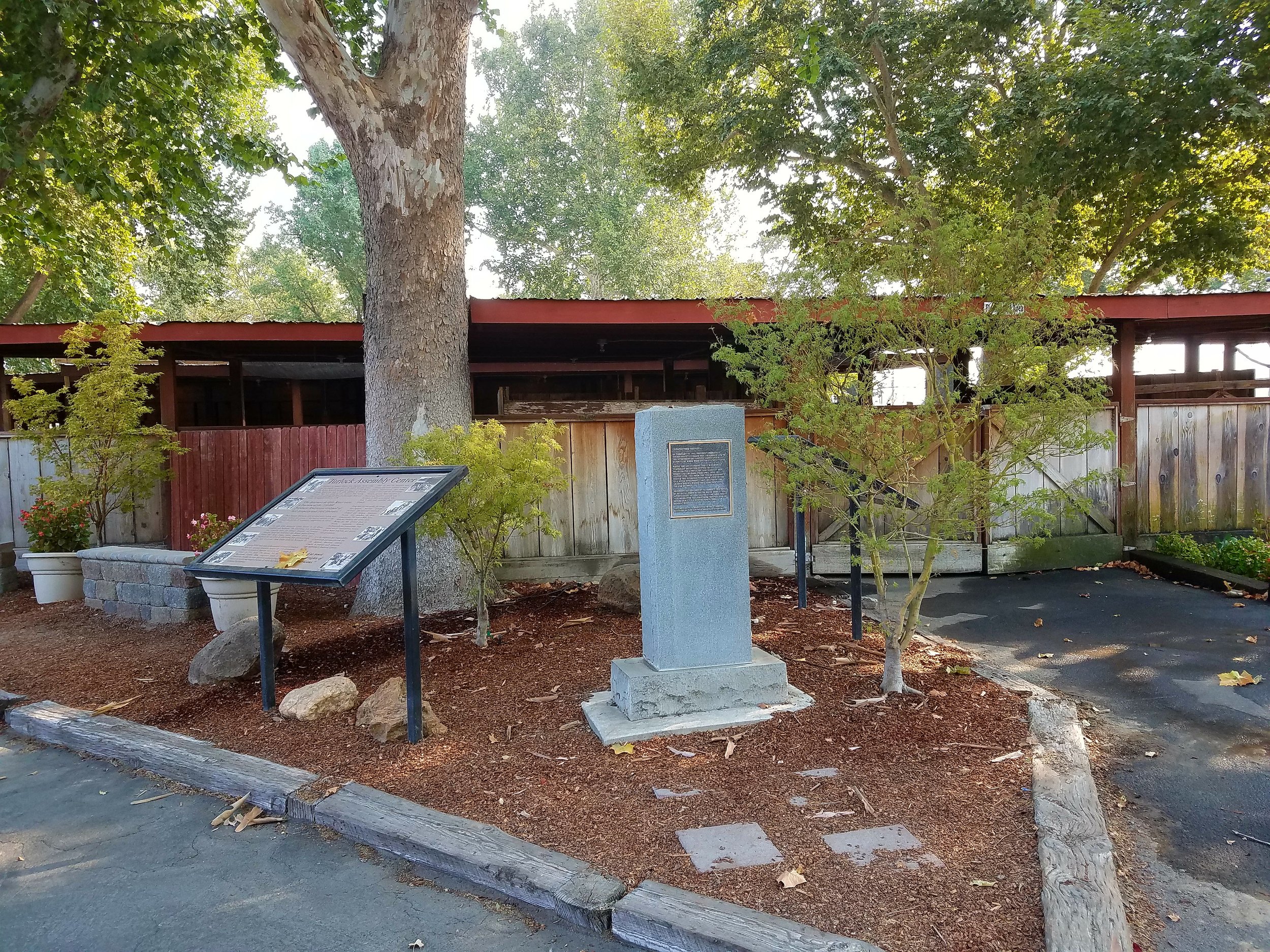
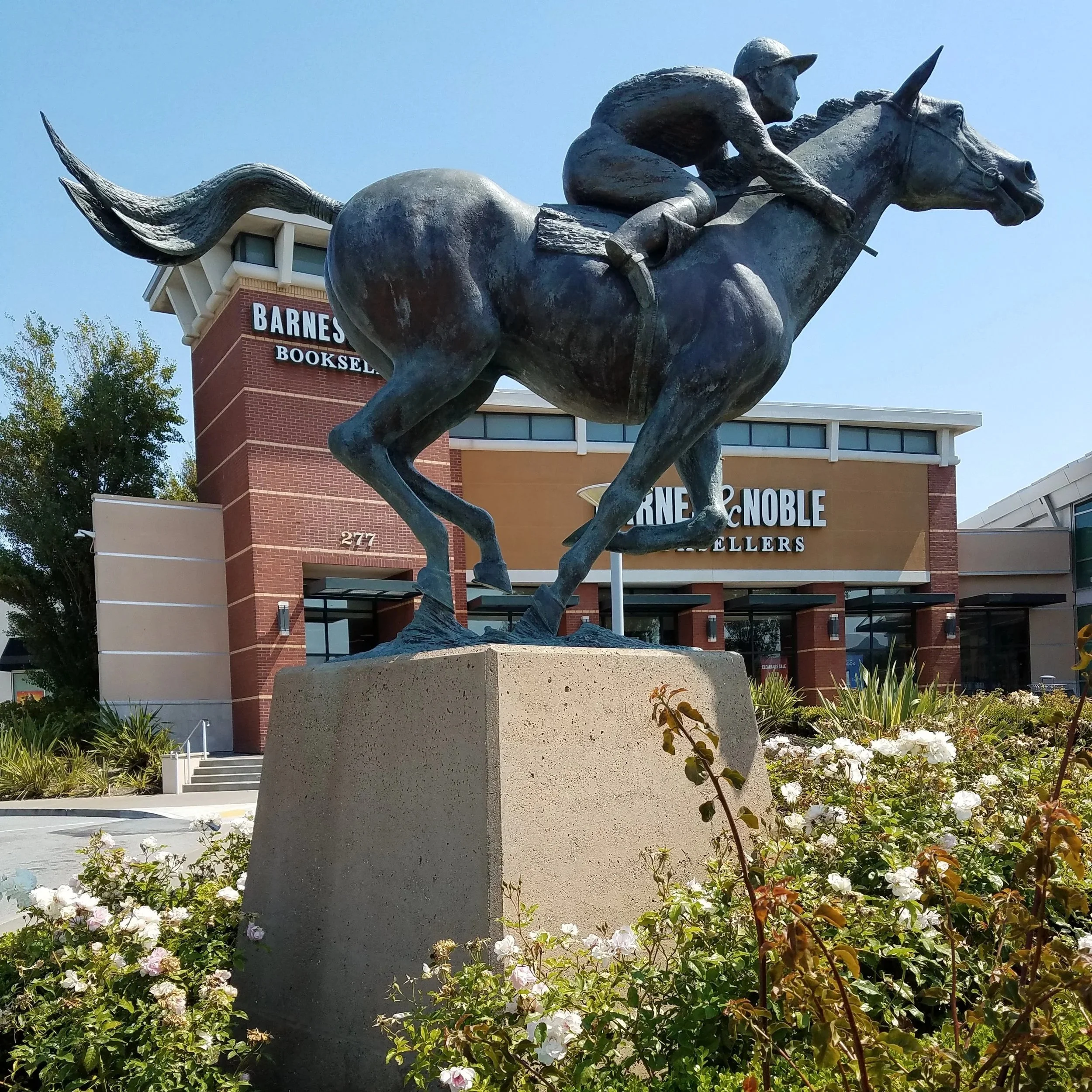
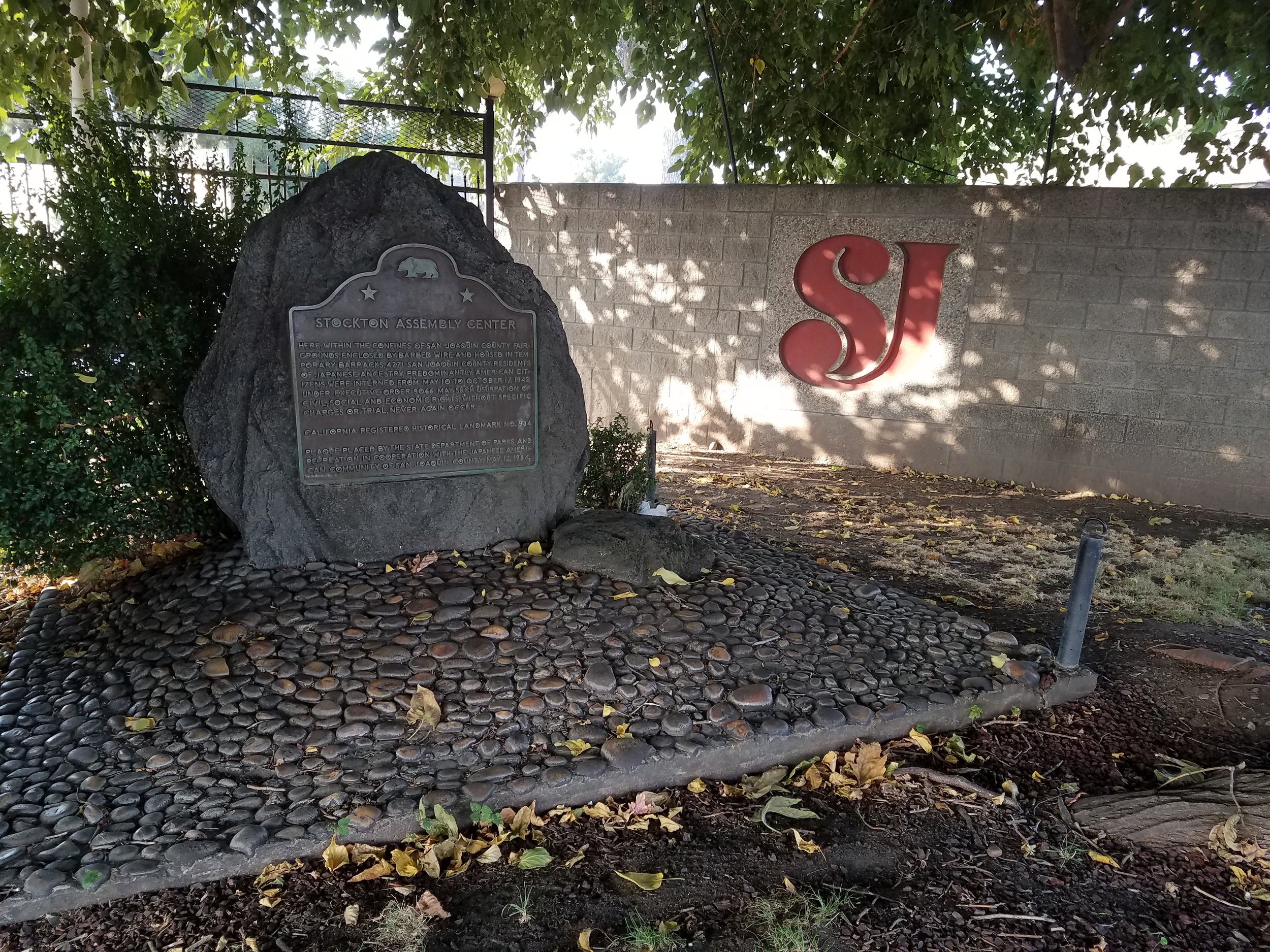
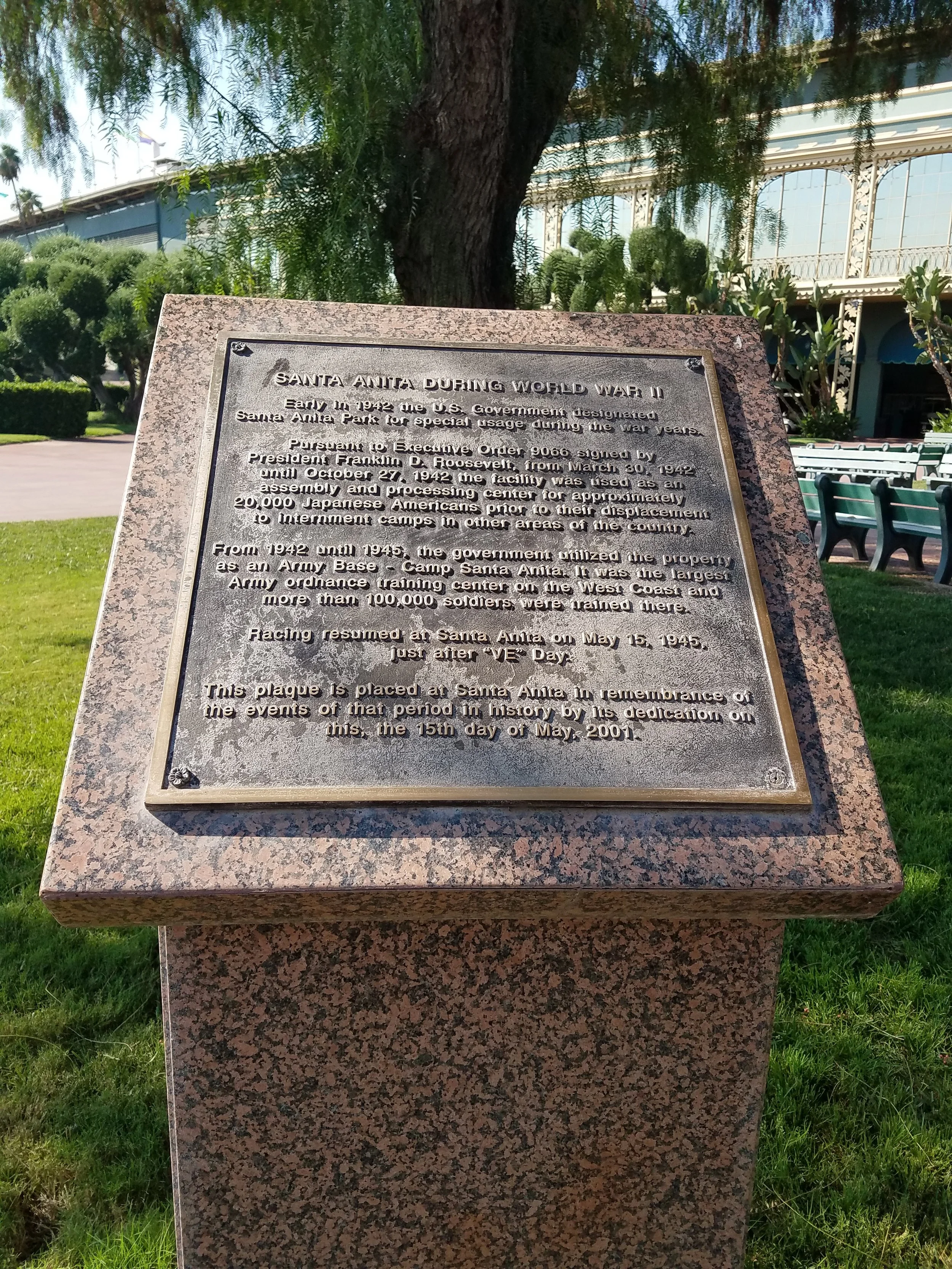
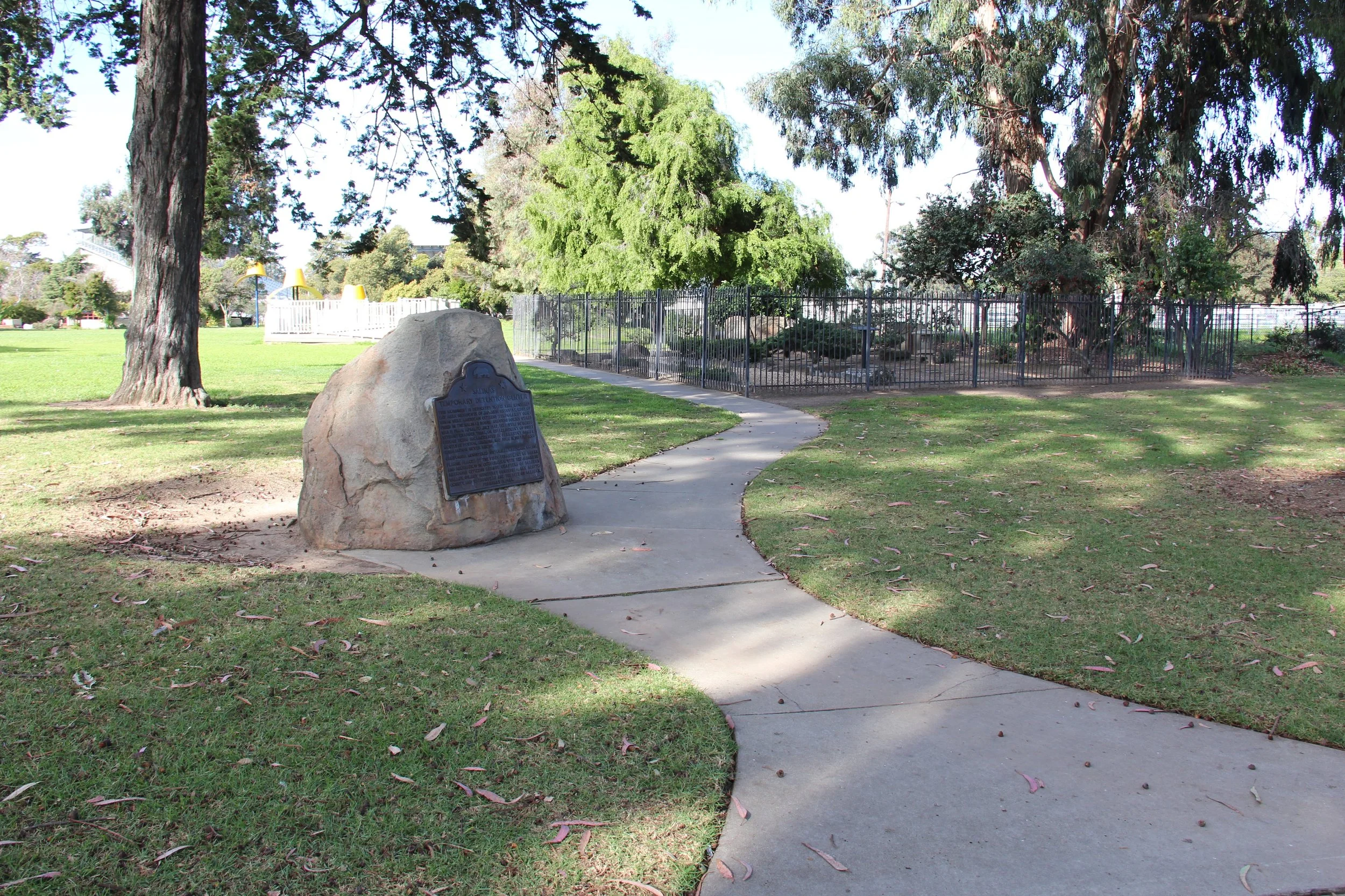
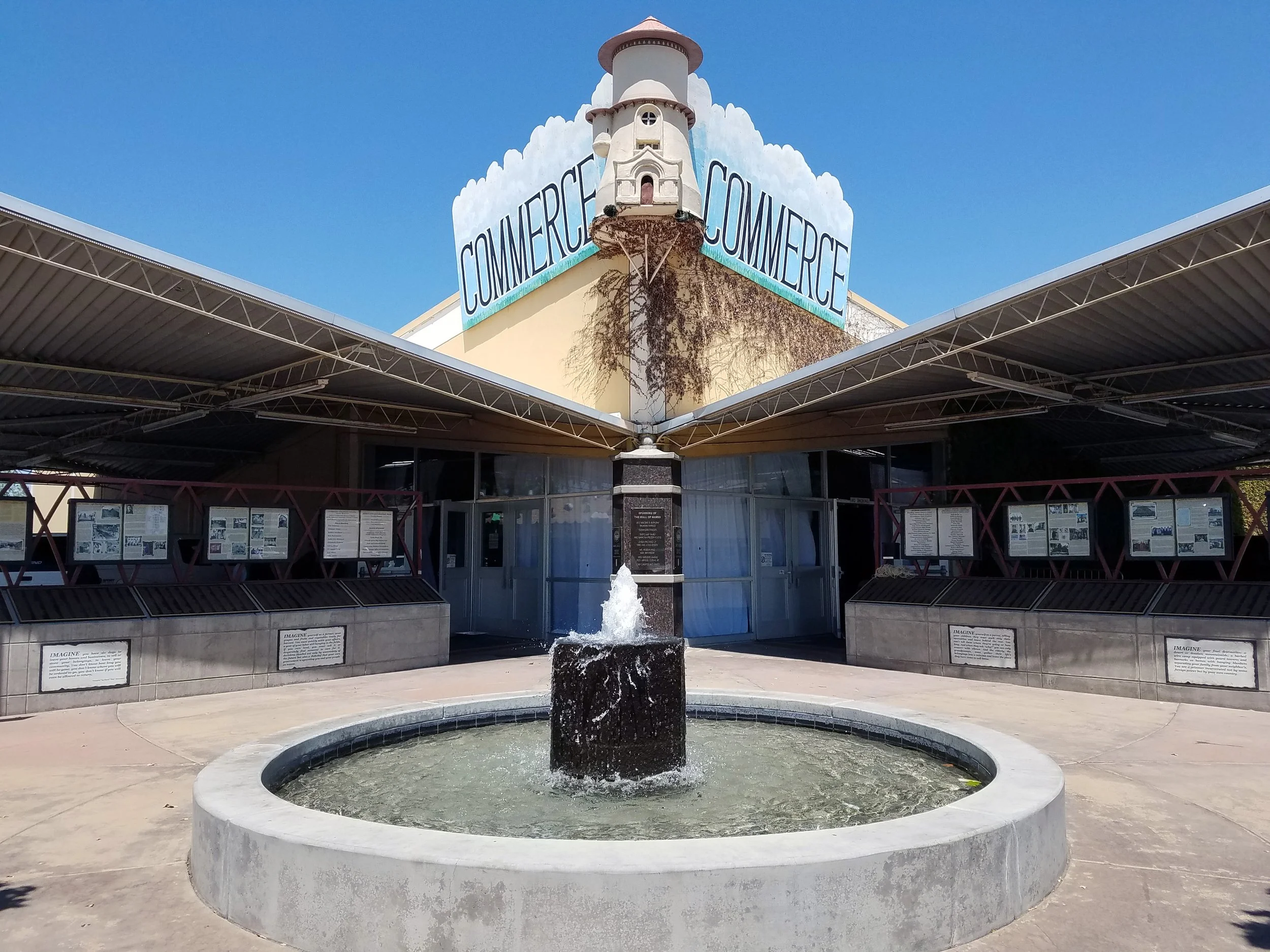
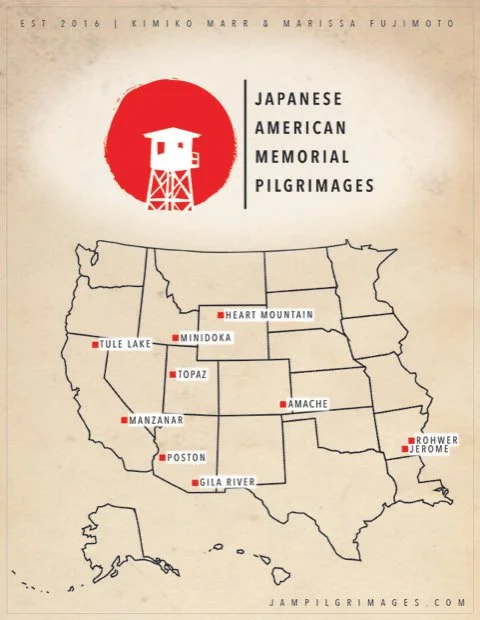
Kimiko and Marissa travel to several pilgrimages, former WRA sites, and “assembly centers” to interview survivors and photograph the sites.
-
![]()
Tulare Assembly Center
-
![]()
Turlock Assembly Center
-
![]()
Tanforan Assembly Center
-
![]()
Stockton Assembly Center
-
![]()
Santa Anita Assembly Center
-
![]()
Salinas Assembly Center
-
![]()
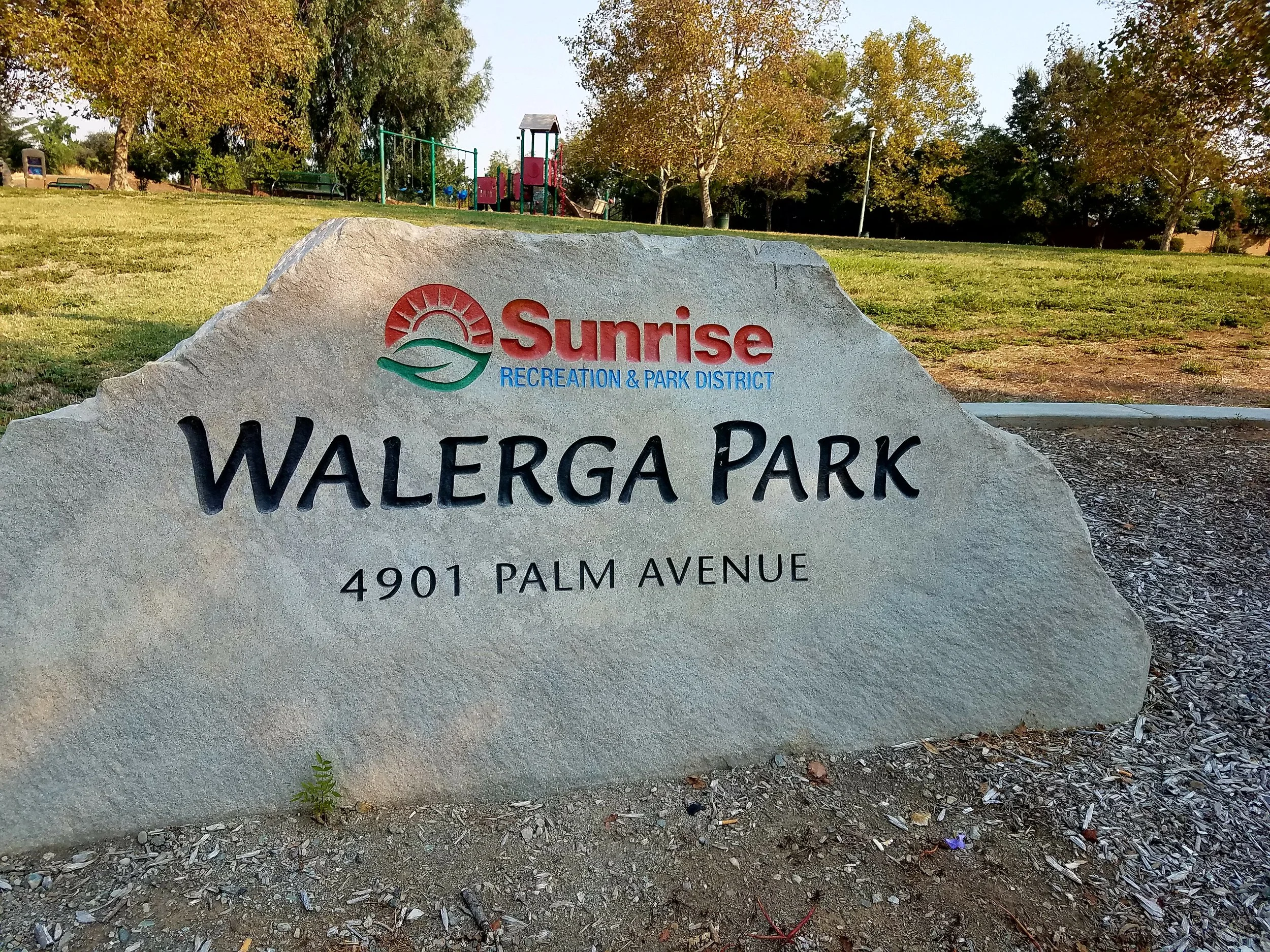
Walerga (Sacramento) Assembly Center
-
![]()
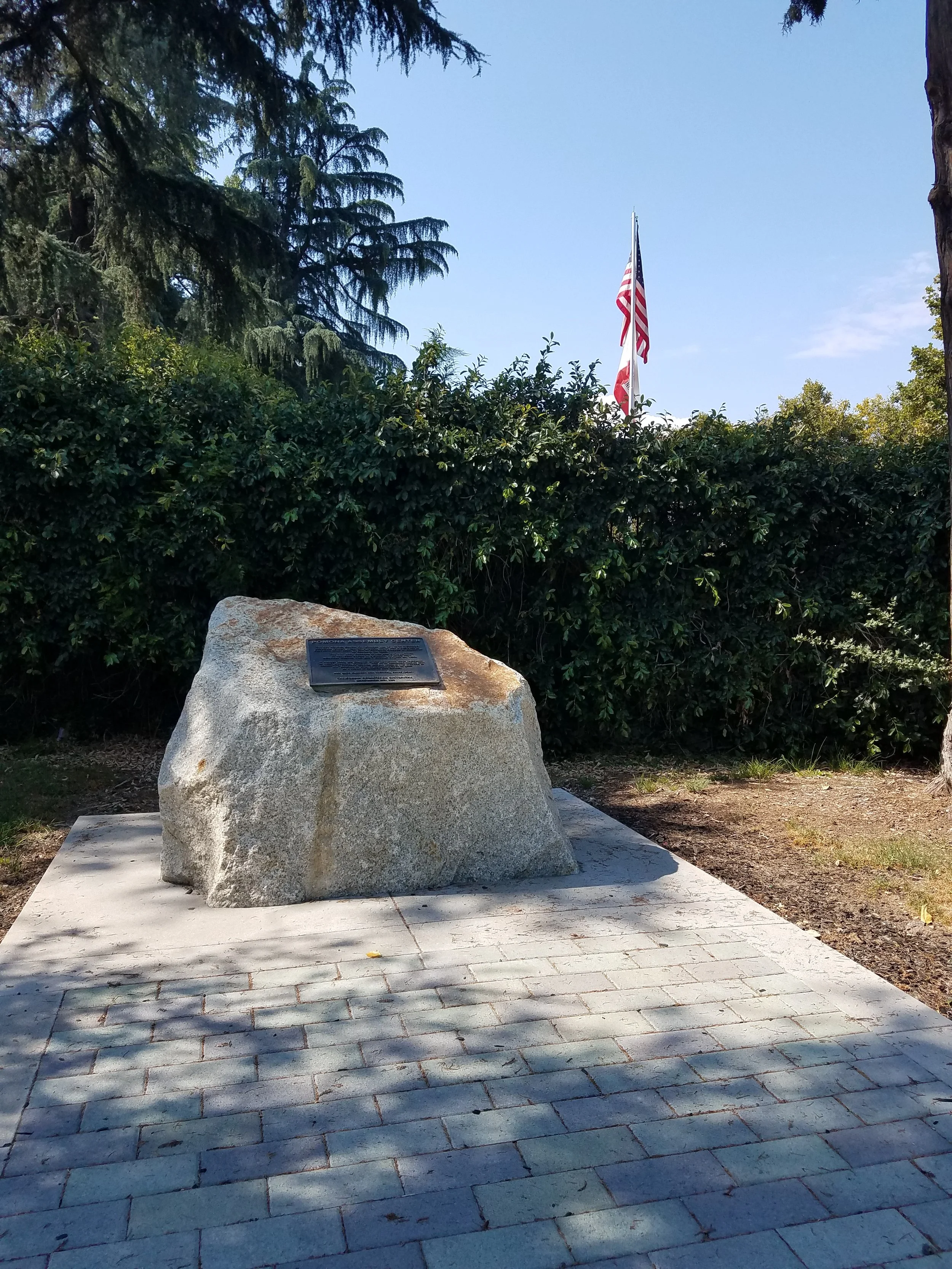
Pomona Assembly Center
-
![]()
Pinedale Assembly Center
-
![]()
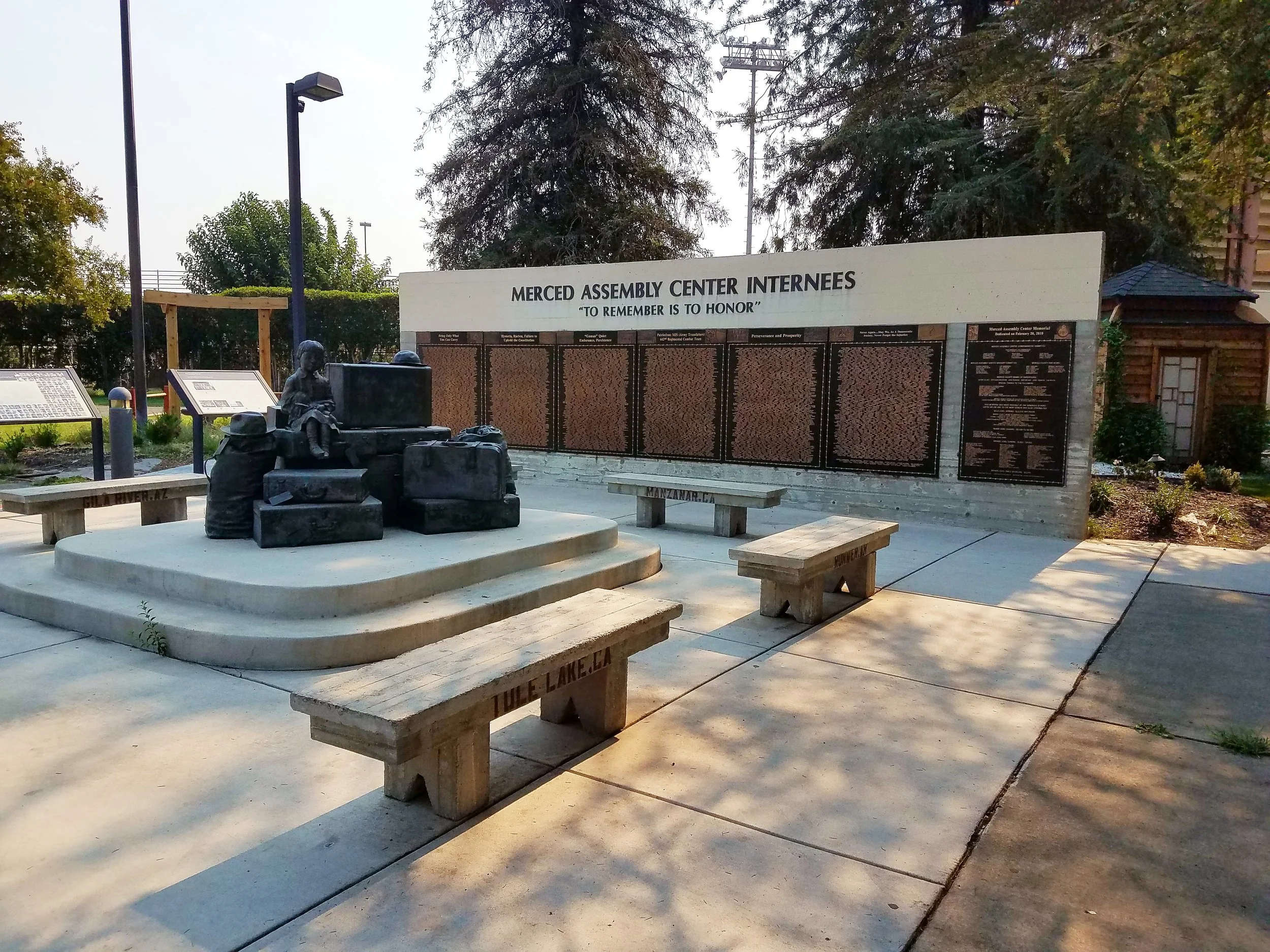
Merced Assembly Center
-
![]()
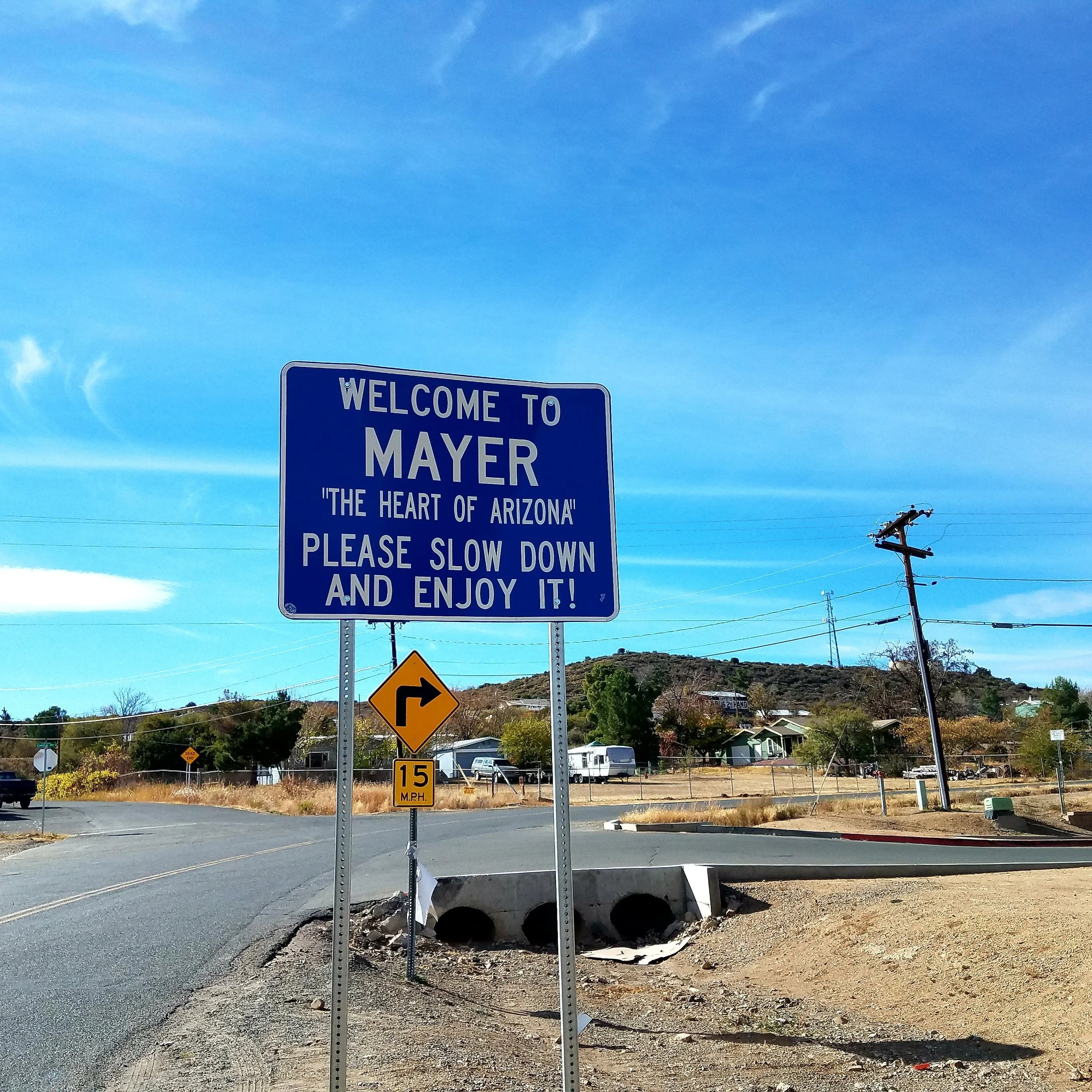
Mayer Assembly Center
-
![]()
Fresno Assembly Center
-
![]()
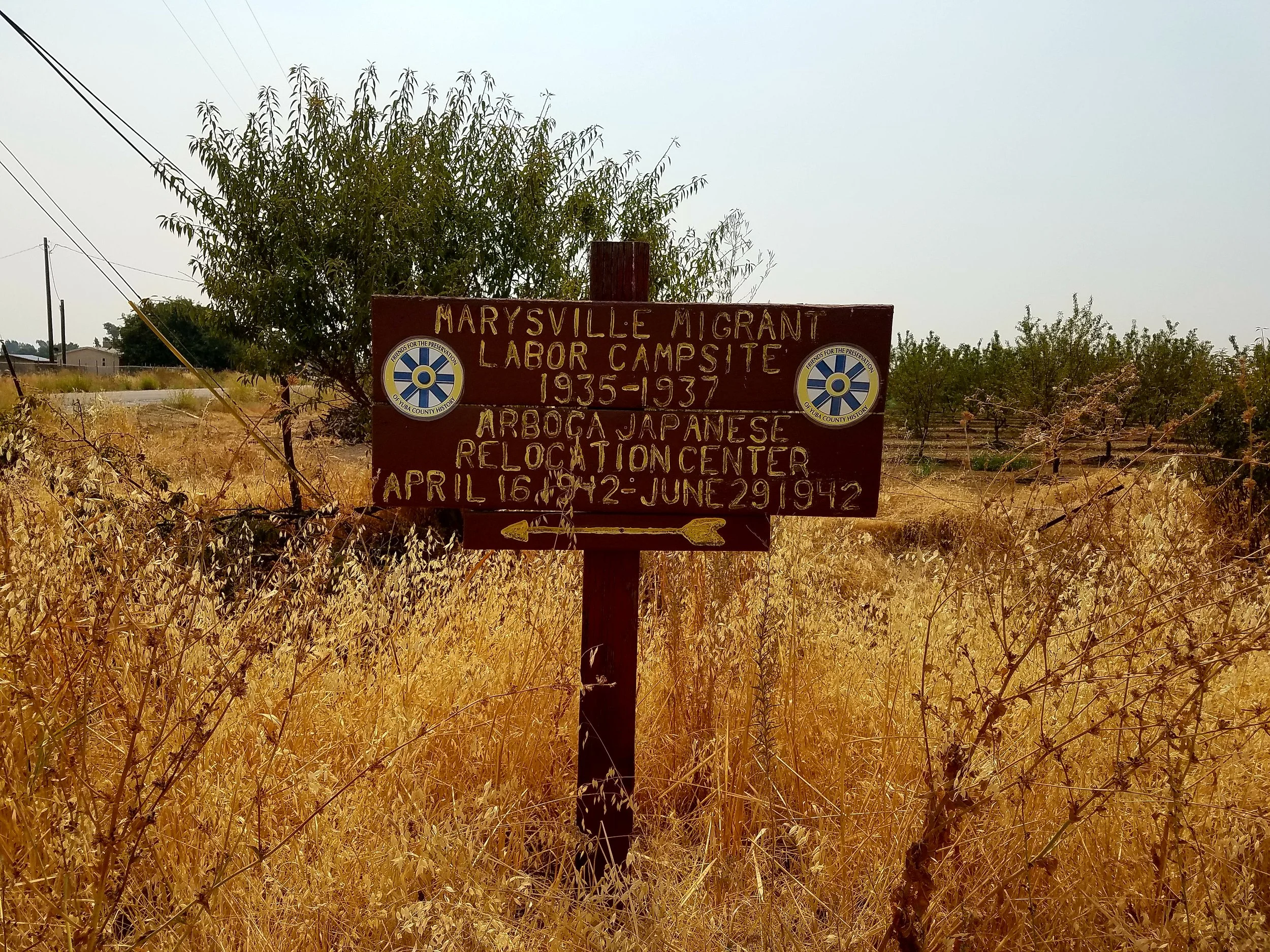
Arboga (Marysville) Assembly Center
-
![]()
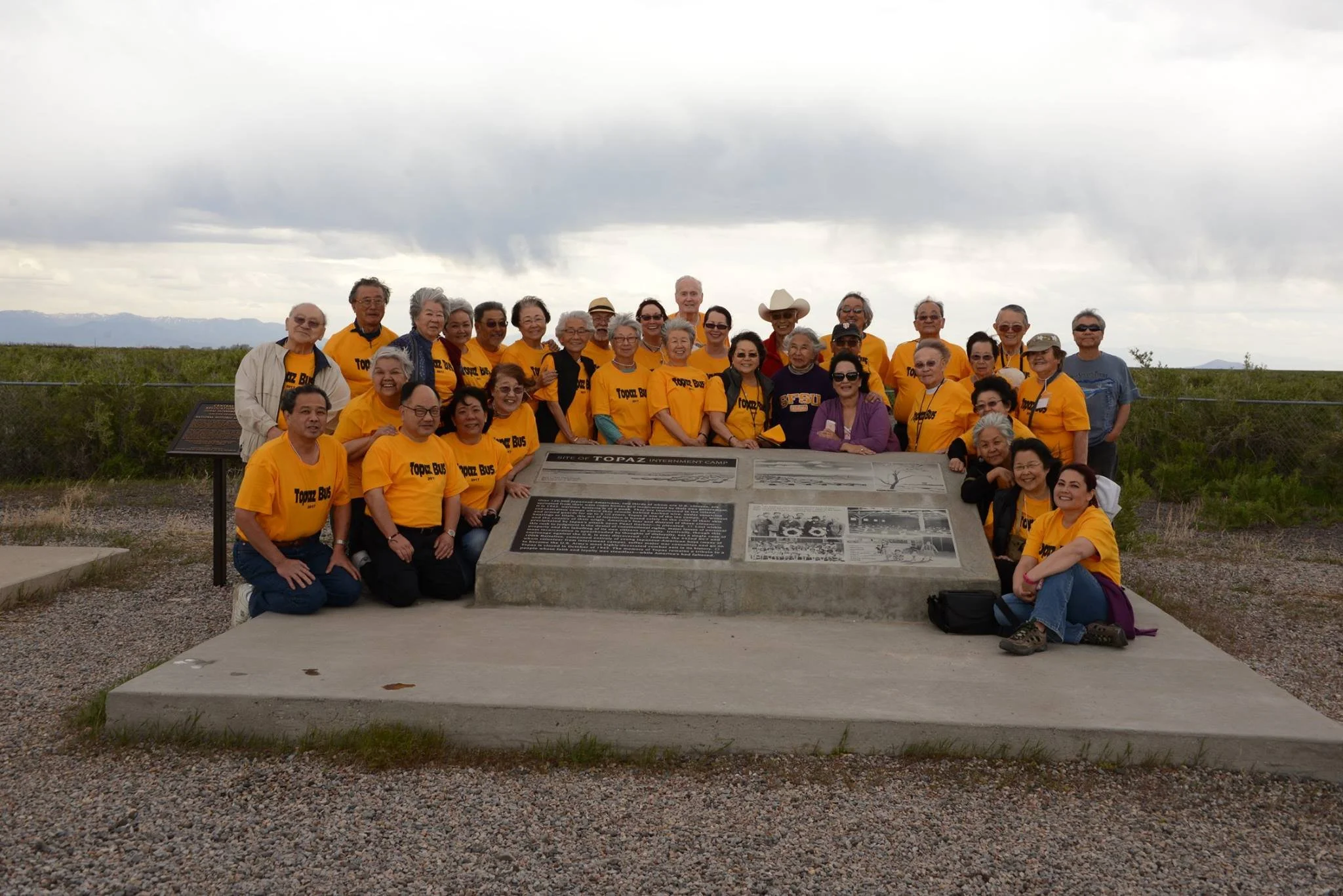
Topaz
-
![]()
Amache (Granada)
-
![]()
Manzanar
-
![]()
Heart Mountain
-
![]()
Minidoka
-
![]()
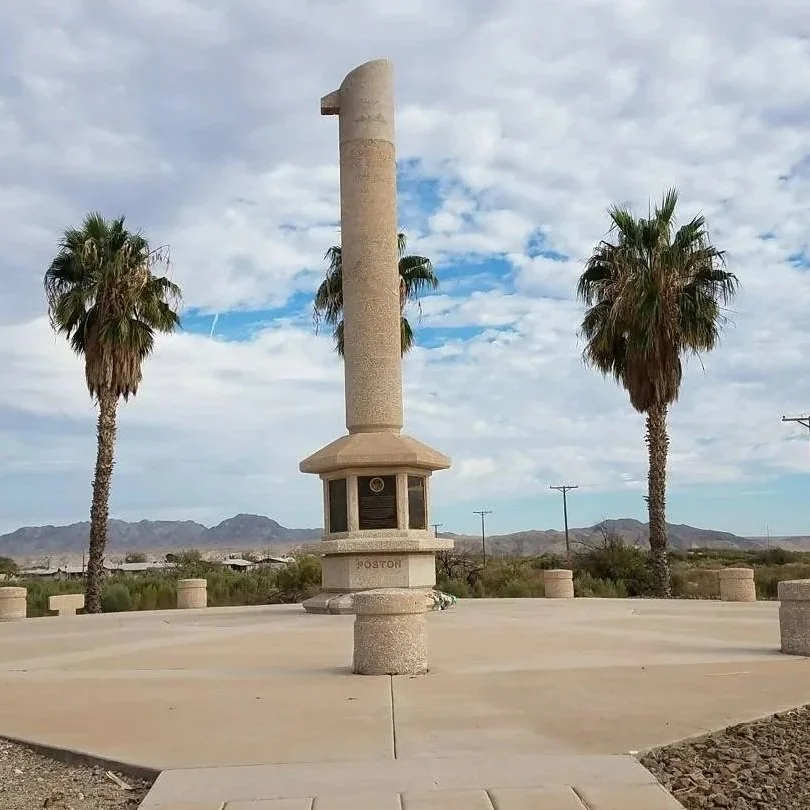
Poston
-
![]()
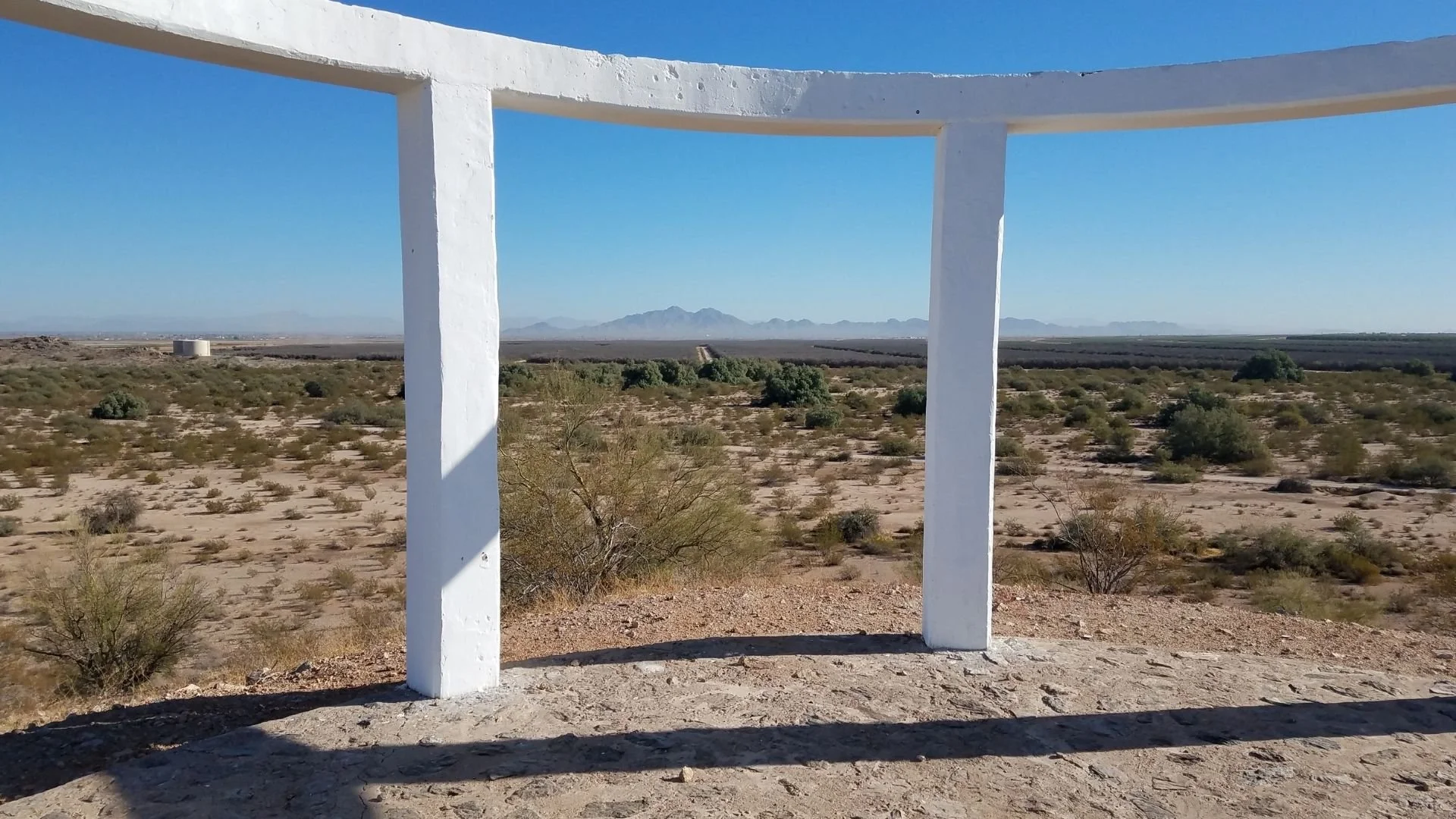
Gila River
-
![]()
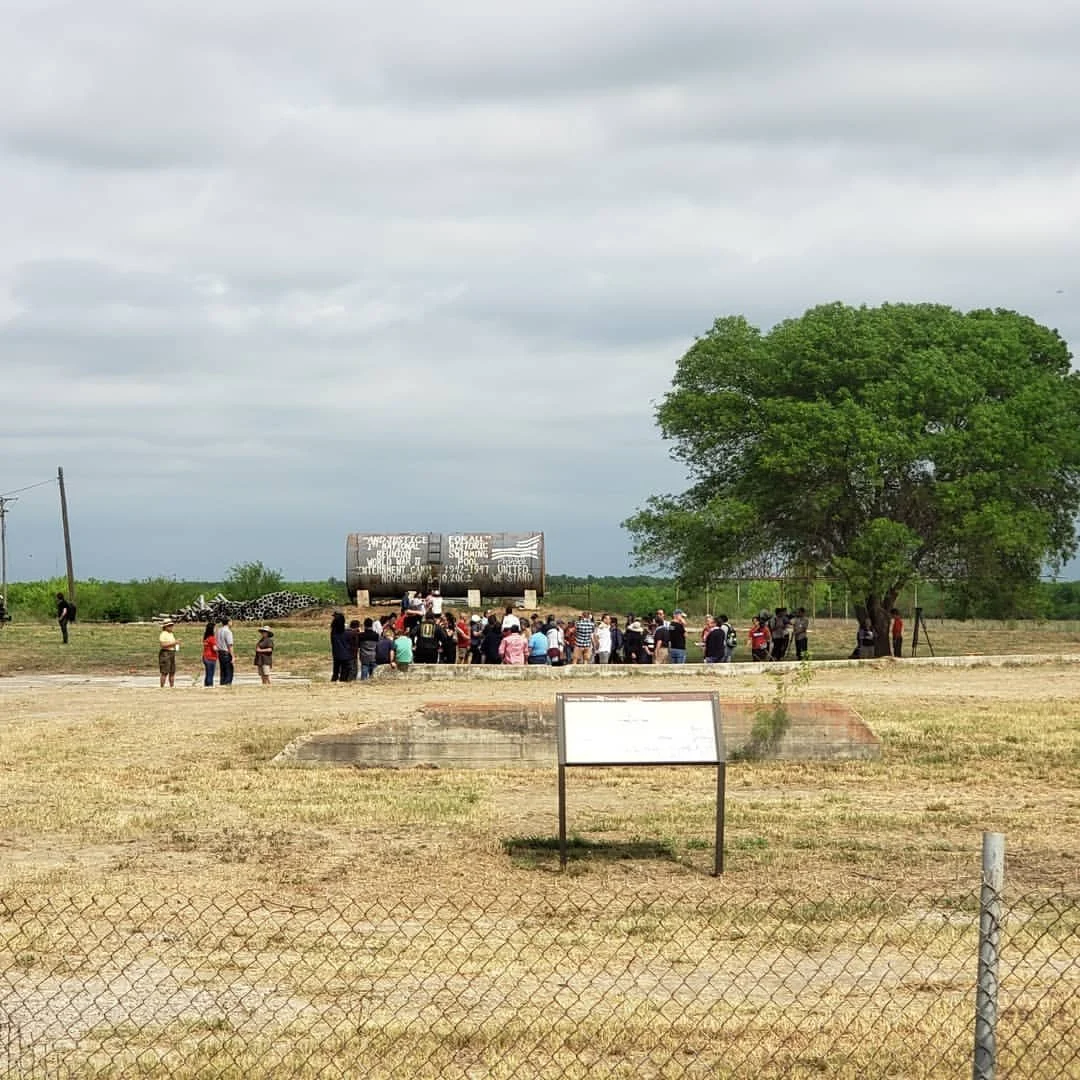
Crystal City
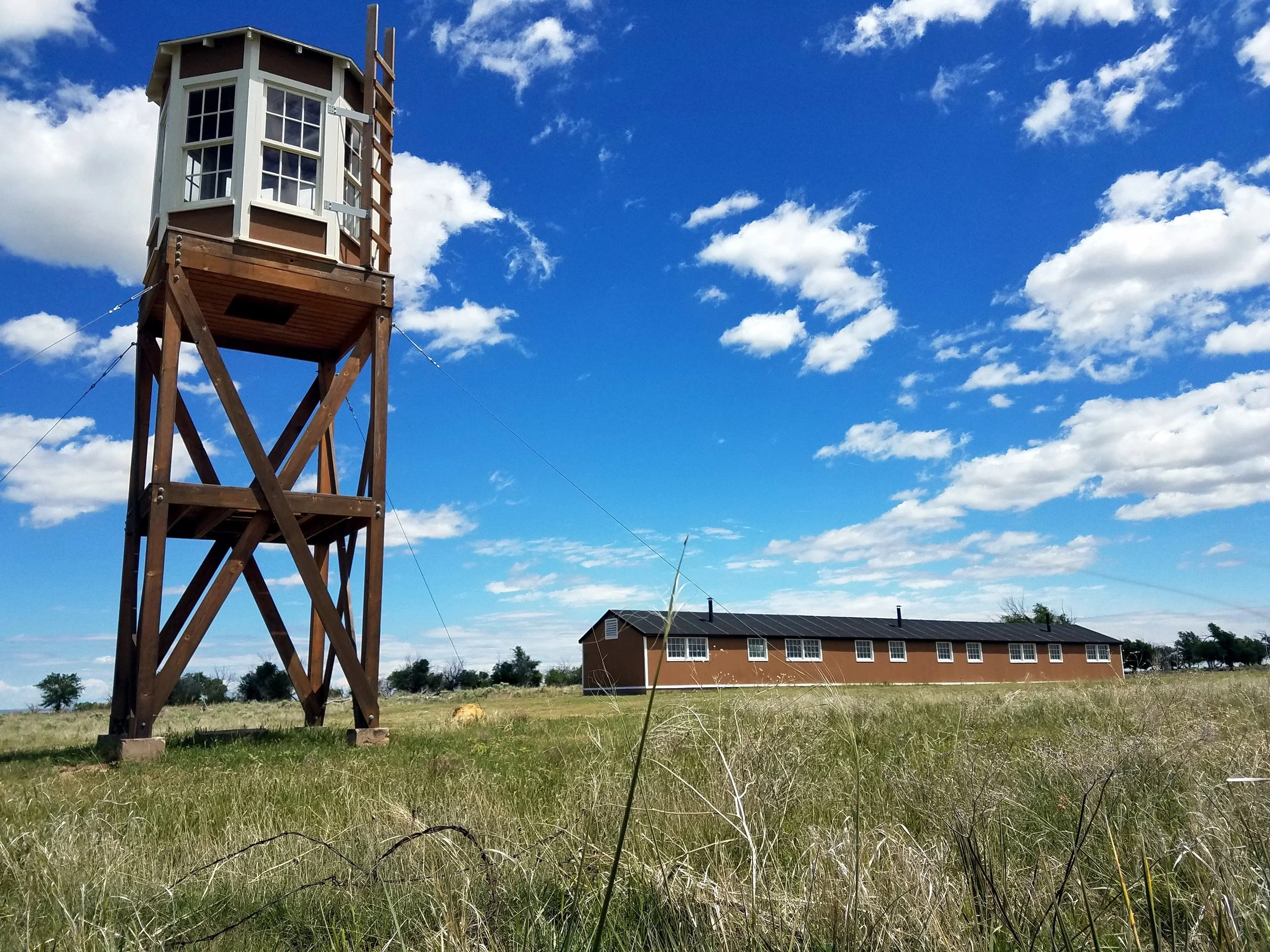
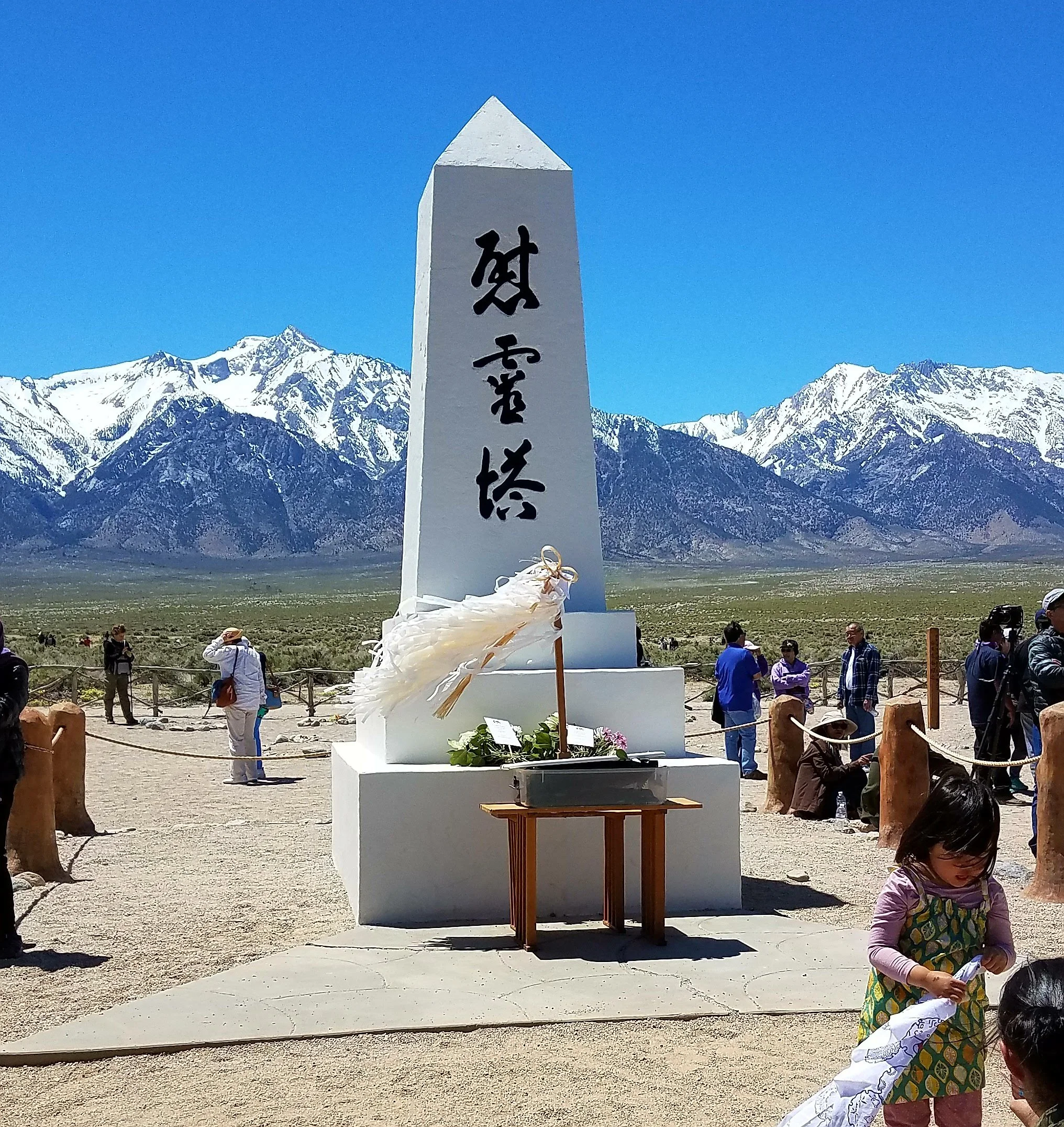
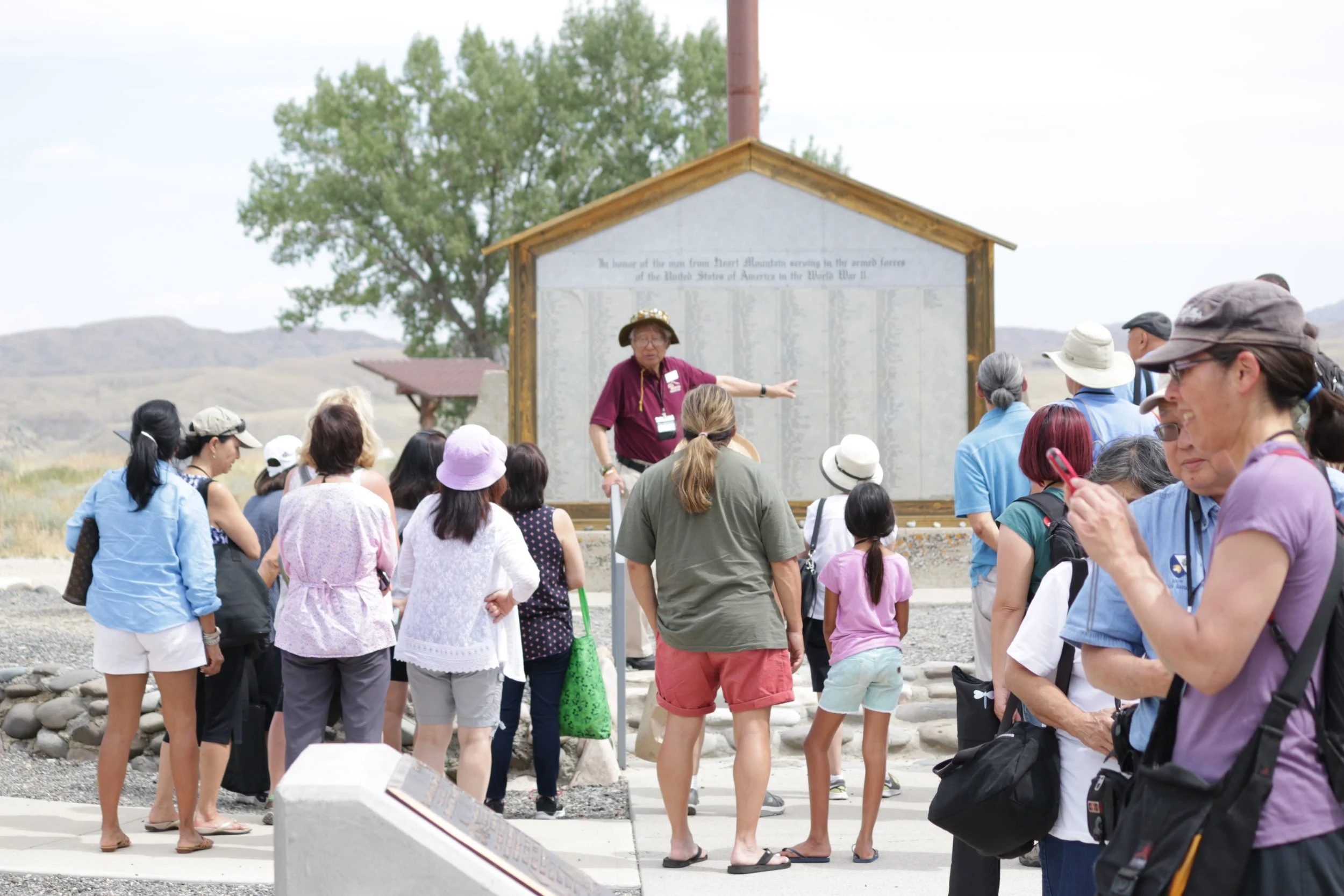
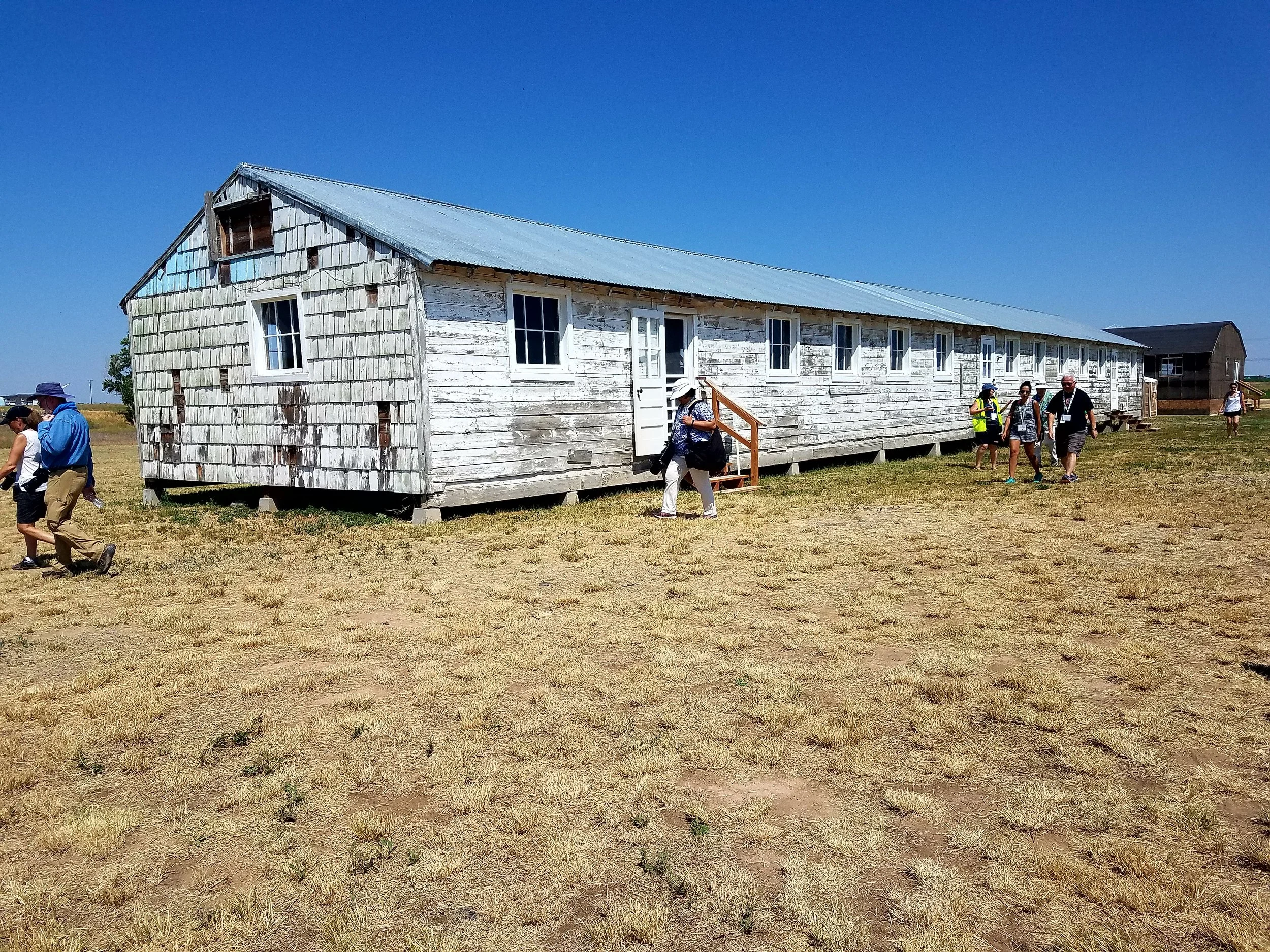
2018 - 2019
Marissa and Kimiko along with their filming crew spent the next few years attending and filming as many pilgrimages as they could. They became obsessed with pilgrimages to former wartime incarceration sites, driven to pursue community wherever they could and connect others along the way. Through fiscal sponsor, Northwest Film Forum, JAMP receives a Japanese American Confinement Sites grant from the National Park Service to attend camp pilgrimages, film oral histories, and create short documentaries.
Visit our YouTube channel playlist to view more.

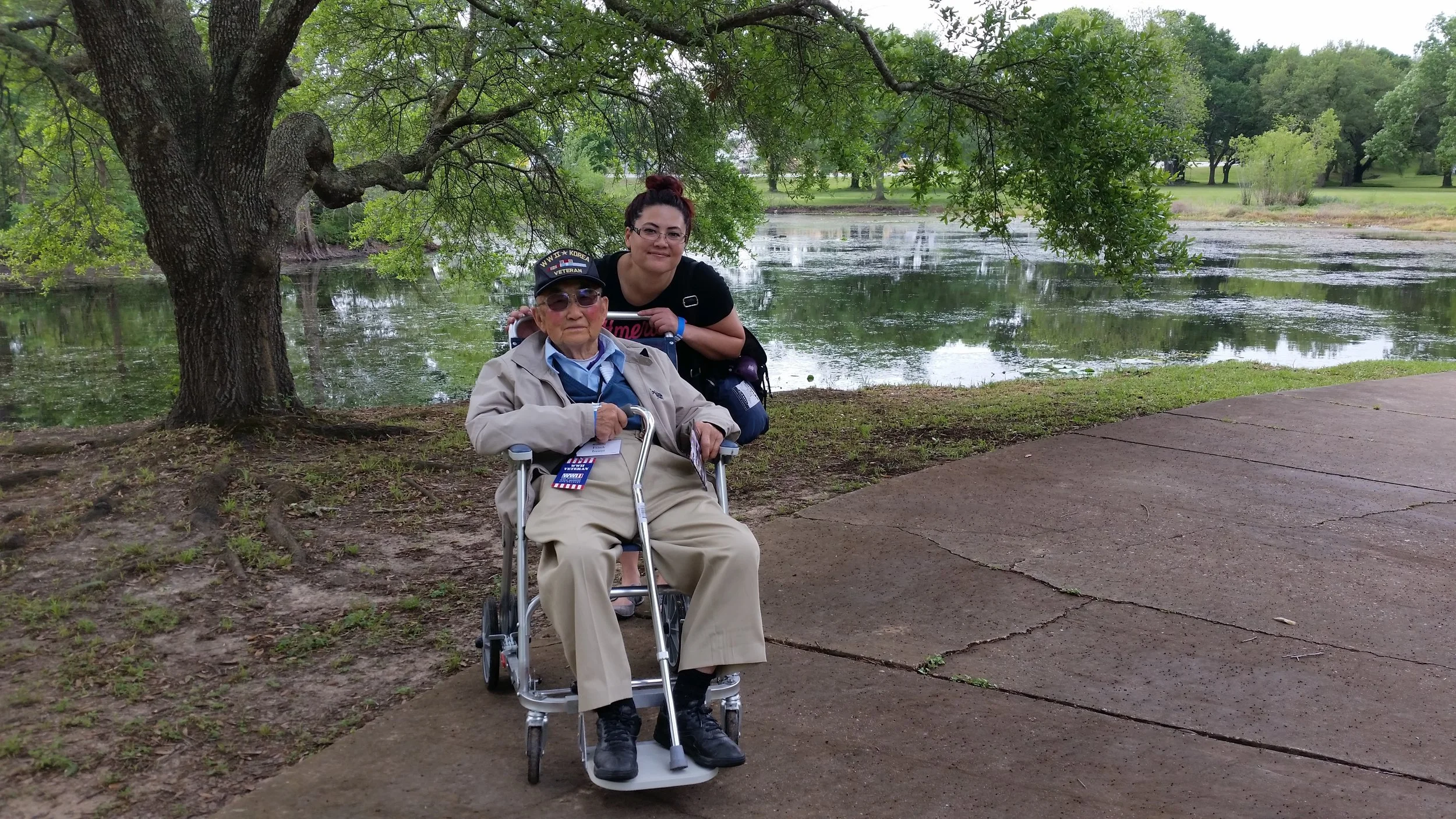
In April 2018, Kimiko was inspired to program her own pilgrimage to the Arkansas camps. Though she did not have a direct family connection, she had been lucky enough to travel to the two sites years before with her buddy, Frank Inami, who had been incarcerated at both.
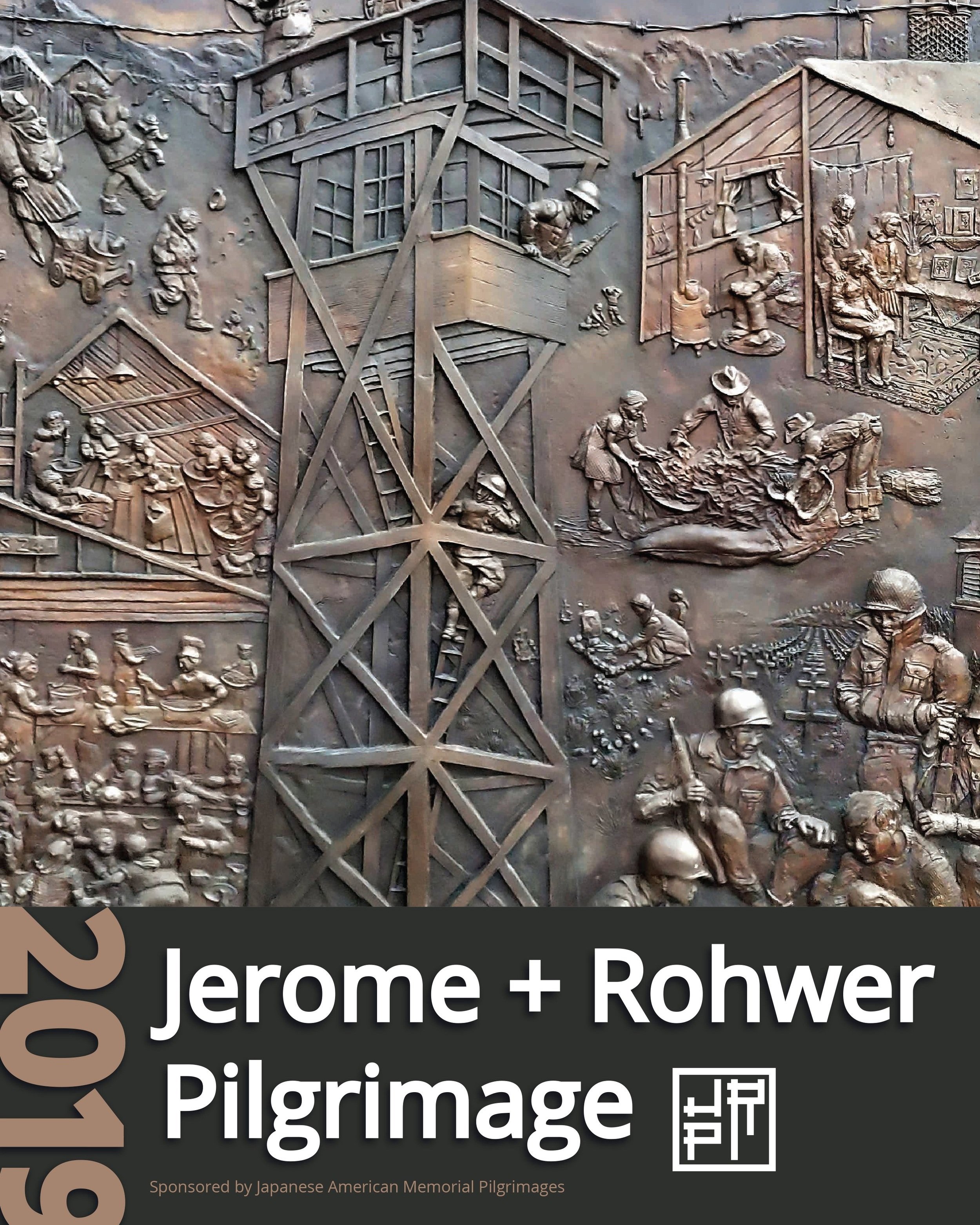
Seeing the community she had created with the 2018 pilgrimage, she did a second pilgrimage to Arkansas in 2019.
Surrounded by people who looked like them, who accepted them for who they were, and who encouraged them to pursue their dreams, Kimiko and Marissa felt a need to provide that experience for as many Japanese Americans as they could. Through pilgrimage they developed a deeper understanding of the painful history of Japanese American incarceration, and discovered an extended family that understood them in ways no one else could. Each pilgrimage was a new experience, offering new insight and presenting their own unique focuses, but the groups organizing these pilgrimages seemed isolated from each other.
2020 - 2022
Tadaima! A Community Virtual Pilgrimage
Tadaima! A Community Virtual Pilgrimage is a collaborative online program that was created to replace the annual in-person pilgrimages to Japanese American incarceration sites during World War II when they were canceled due to the COVID-19 pandemic.
"Tadaima!" means "I'm home!" in Japanese and was organized by Japanese American Memorial Pilgrimages (JAMP) in partnership with the National Park Service.


2023
JAMP becomes a non-profit!
JAMP started as a passion project to heal the fractures in the Japanese American community left behind by WWII. Kimiko and Marissa found that while there were Japanese American organizations doing amazing work across the nation, there was a need for an organization to bridge the gaps between them, and offer a place to reconnect for those without a local Japanese American community. Our founders wanted to provide a place where all Japanese Americans can feel welcome, no matter where they are or what resources they have.
Kimiko and Marissa knew they wanted to create pilgrimages in service to their community, but starting a nonprofit seemed very daunting, so JAMP was first born as an LLC. Through this venture Kimiko and Marissa were able to plan both in person and virtual pilgrimages, working out the kinks and forging lifelong friendships with the people they met along the way. They honed their skills, and found their strengths could be used to propel community building into the digital age. JAMP’s activities ballooned until it was just too much for one entity to handle, so they made the decision to create a nonprofit, a separate entity by the same name that would be dedicated to serve their community. The LLC was reborn as Nikkei Digital Media, and our founders were free to pursue both their passions, creating their own media projects and working to create a more cohesive Japanese American community.